Be the Type of Nurse Design: A Practical Embroidery Review
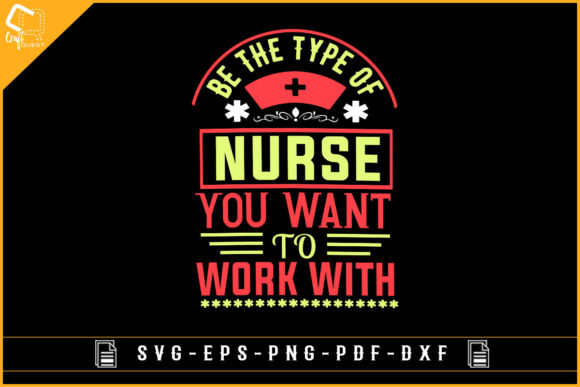
From a designer's perspective, when a client requests a project for a nurse, it can be tricky. You want something that conveys respect and personality, not just a generic medical symbol. The Be the Type of Nurse T-shirt Design immediately struck me as a different kind of asset. It’s less of a clinical statement and more of a gentle, aspirational reminder.
The First Impression: Warmth Over Authority
Looking at the layout and composition, the design’s primary mood is supportive and human. The emphasis is on the action—be the type—and the beneficiary—you want to work with. This isn’t a badge of rank; it’s an internal mantra made wearable. For embroidery, this feeling is important. It dictates where I’d use it. This isn’t something I’d put on a stiff, formal lab coat. It belongs on softer, more personal items: a cozy sweatshirt for a nursing student, a tote bag for a midwife, a comforting pillow cover in a nurse’s own home.
The shape and linework suggest it will translate well into satin stitches for the letters and a clean fill stitch for any larger elements. The detail level seems balanced—not overly dense, which is good for apparel that needs to remain flexible and comfortable. The visual personality is friendly and straightforward, making it a strong candidate for heartfelt gifts rather than institutional merchandise.
Where This Design Thrives in Real Projects
I recently had a client who wanted a custom embroidered tote bag as a gift for her sister, a nurse who had just finished a grueling year. She wanted it to be encouraging, not celebratory. This design was a perfect fit. On a sturdy canvas tote, the embroidery would sit well, the message readable and durable for daily use. The sentiment turns a simple bag into a meaningful companion.
Beyond totes, here are the real-life embroidery situations where I believe this design performs beautifully:
- Custom Apparel for Comfort: Sweatshirts, t-shirts, and hoodies for nursing teams or individuals. The message fosters camaraderie.
- Personalized Home Goods: Pillow covers, kitchen towels, or lightweight blankets. It turns functional items into affirming decor.
- Holiday & Gift Crafting: Embroidered on a premium apron or a tea towel set for a nurse during Nurses Week or the holidays. The giftability is high because the message is so personal.
- Small Business Merchandise: For an Etsy seller or boutique focusing on healthcare professionals, this design on caps or simple patches could resonate deeply with a niche audience.
- Baby & Nursery Items: For a nurse expecting a child, a delicately stitched version on a baby blanket or a nursery wall hanging could be incredibly touching.
The design’s clarity in a digital preview suggests it will stitch out with good visual appeal, which directly impacts perceived product value. On a handmade item, clean stitching of this message builds customer trust—it shows care and precision. For a craft business, using a design with this kind of positive, universal appeal can enhance brand consistency as a source for thoughtful, well-made items.
Caution Areas: Where to Plan Before Hooping
While the mood is versatile, the practical application in embroidery requires some forethought. Not every project base is ideal.
Because the design relies on lettering to convey its core message, you must be mindful of scale. On very small hoop sizes, the text could become cramped, losing its elegance and potentially becoming difficult to stitch cleanly. I would avoid using it on items like the curved surface of a structured cap unless you are confident in digitizing for that curve or the file is specifically adapted.
Texture and fabric type matter greatly. On highly textured fabrics like some sweaters, the finer details might get lost. On thin or stretchy fabrics, such as certain t-shirt materials, the stitch density needs to be appropriate to prevent puckering and maintain comfort. Always, always test on a scrap of the actual project fabric first.
Dark fabric backgrounds require careful thread color contrast planning. A simple black-and-white mockup test is invaluable here to ensure the design’s positive message isn’t visually obscured. Similarly, products destined for frequent washing, like apparel or kitchen linens, need robust stitching and proper stabilizer use during the embroidery process to ensure longevity.
Practical Designer Notes Before You Stitch
My process with any design like Be the Type of Nurse T-shirt Design involves a few key steps before I commit it to a final product. These aren't just technicalities; they protect the integrity of the message and the quality of your work.
- Test, Always Test. Run the embroidery file on a scrap of your intended fabric. Check for stitch density, thread tension, and how the small details emerge.
- Contrast is Key. Review your thread palette against your fabric color. Does the message stand out with friendly authority, or does it fade?
- Confirm the Foundation. Use the correct stabilizer for your base material. This is crucial for maintaining the design’s clean lines after wear and wash.
- Scale with Intent. How large or small will you embroider it? Ensure the hoop size accommodates the design’s layout so that no element feels squeezed.
- License and Use. The product description notes it includes files for cutting machines as well. As an embroidery designer, I need to confirm the licensing terms specifically for my use. Is it cleared for commercial embroidery projects, for selling the finished tote bags or sweatshirts I make? Never assume; always confirm.
The Final Stitch: A Design That Connects
What makes a design like this valuable isn't just its digital quality; it's its emotional resonance translated into thread. In evaluating Be the Type of Nurse T-shirt Design for real embroidery work, its greatest strength is its application. It elevates a simple craft into a personalized gift, a boutique product into a statement of support, and a commercial embroidery project into something that feels genuinely handmade. It reminds us that embroidery, at its best, isn't just decoration—it's communication. For the makers, sellers, and decorators aiming to connect with their audience, that’s the type of design you want to work with.