A Super Cool Nurse: On-Project Review of the Embroidery Design
When a new embroidery file lands in my library, my first question is never about the specs. It’s about the story. What will this design feel like when it’s stitched out and living on a real product? The "Super Cool Nurse" design immediately tells a story—it’s confident, a little playful, and deeply personal. That’s the kind of visual personality that turns a simple graphic into a meaningful handmade product.
The First Impression: Mood & Application
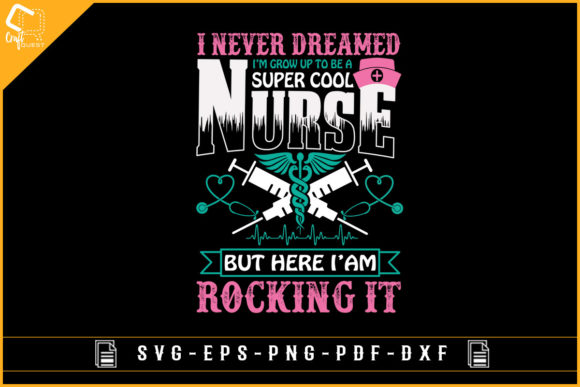
The phrase "I never dreamed I’d grow up to be a super cool nurse but here I am killing it" is the heart of this design. It’s celebratory. This isn't generic medical iconography; it's a statement of pride and modern identity. For an embroidery designer, that mood translates directly into project potential. I look at the layout and the detail level and immediately start imagining it on a custom sweatshirt for a graduating nurse, or as a central motif on a tote bag for a busy healthcare worker. The design has a graphic, clean feel that suggests it would work beautifully as a satin stitch and fill stitch combination, creating a bold, readable statement.
This isn't a design for a tiny corner of a baby bib. Its personality demands a bit of space to shine. My instinct is to use it as a feature piece—the main event on the front of a crewneck sweatshirt, centered on a canvas tote for a craft fair, or even as a standalone embroidered patch that could be applied to a cap or apron. The "super cool" vibe makes it perfect for contemporary apparel and accessories, the kind of items sold in small shops or as personalized gifts that resonate with a specific, proud community.
Real-Life Embroidery Scenario: The Boutique Tote Bag
Let’s walk through a real case. I’m preparing a small batch of embroidered tote bags for a local boutique that wants unique merchandise. I choose a sturdy, natural canvas. The "Super Cool Nurse" design comes up as a perfect candidate for a client who caters to healthcare professionals. Here’s where practical judgment kicks in.
The text is the dominant element. For clean stitching, especially on a textured fabric like canvas, I need to consider stitch density and stabilizer carefully. A dense fill stitch on the larger letters will give a professional, premium look that adds value to the finished product. However, I’d advise testing the design on scrap fabric first to check the clarity of the smaller details and the lettering connection points. On darker fabric, the thread color contrast becomes critical—a bright, crisp white or a vibrant color palette would make this statement pop and enhance customer engagement.
Where This Design Finds Its Home
Beyond tote bags, this embroidery file naturally belongs to projects where the message is front and center:
- Custom Apparel: T-shirts, sweatshirts, and hoodies for nurse appreciation events, graduations, or personal wear.
- Personalized Gifts: Embroidered pillow covers, tea towels, or blankets for a nurse’s home.
- Small Shop Merchandise: As a consistent design for an Etsy seller focusing on healthcare-themed products, adding brand consistency.
- Decorative Patches: A standalone embroidered patch offers versatility, allowing customers to apply it to their own caps, bags, or jackets.
The design’s celebratory tone boosts its giftability and recognition. It feels professional yet approachable, which builds trust when selling it as a handmade product.
Careful Application: Navigating Fabric & Form
While the design’s personality is strong, its application requires some realistic forethought. The text-based layout means that on very small hoop sizes, the detail integrity could be compromised. I would not recommend trying to miniaturize it for a tiny baby item, for instance.
Stretchy or thin fabrics, like certain t-shirt materials, will need excellent stabilizer to prevent puckering and maintain the clarity of the statement. Similarly, on curved surfaces like a cap, the layout may need adjustment to ensure the text flows correctly without distortion. The potential for dense stitch areas in the lettering also means considering products that will undergo frequent washing—secure stitching and quality threads will be key to longevity.
For commercial embroidery projects or for digital product sellers creating printable mockups, the scalability of the provided file formats is crucial. One must confirm the licensing terms before selling finished items to ensure compliance.
Practical Designer Notes Before You Hoop
My workflow for a design like this always includes a few non-negotiable steps:
- Always test stitch it on a scrap of your target fabric first. This reveals the true character of the embroidery file.
- Check thread color contrast against both light and dark fabric backgrounds. Create simple black and white mockups to evaluate form.
- Review the stitch density in your software preview. Are there areas that might become too thick?
- Confirm the necessary hoop size for your desired finished product size. Don’t force a large-format design into a small hoop.
- Inspect the small details and corners in the lettering. Will a running stitch outline be needed for definition?
- Use proper stabilizer for your fabric texture. This is the foundation of a clean, professional-looking finished product.
- Finally, verify the intended use. Is this for a personal gift, or for your craft business? Ensure the design’s usage rights align with your project, whether it’s a one-off holiday gift or small batch production for your Etsy listings.
The Final Stitch: Value Beyond the File
Evaluating the "Super Cool Nurse" design isn’t just about the digital embroidery file itself. It’s about envisioning the smile on a nurse’s face when they receive a custom embroidered sweatshirt with that phrase. It’s about the handmade presentation that turns a graphic into a tangible token of appreciation. This design offers more than just shapes and letters; it offers a connection.
For embroidery designers, small business owners, and makers, that connection is the real product value. It elevates a simple craft into a meaningful exchange. When used thoughtfully on the right product with proper embroidery technique, this design has the potential to kill it—not just as a cool statement, but as a super cool, professionally executed piece of wearable or usable art. That’s the project insight that matters most.