A Design for Nurses and Dads Who Are Loved
When a design crosses my desk for review, the first thing I do is picture it stitched. Not on a screen, but on fabric. I imagine the thread hitting the weave, the colors popping against the background, and the final piece in someone’s hands. With this Nurse and Dad Lover Design, my mind immediately went to a simple, natural canvas: a soft, heather gray crewneck sweatshirt. It feels right. This isn’t a loud, graphic statement; it’s a personal, heartfelt one.
The Quiet Confidence of a Well-Worn Sentiment
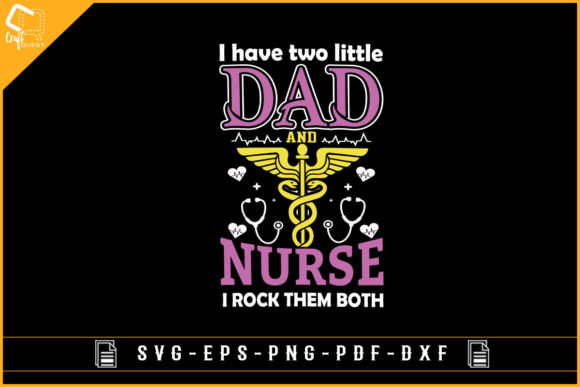
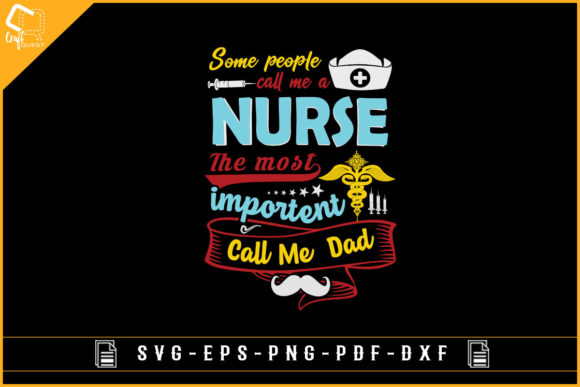
The design’s mood is warm and affirming. The layout centers on that core phrase, “Some people call me a nurse the most important call me dad.” It’s declarative, not flashy. The visual personality feels grounded—like something you’d want to wear on a weekend or gift to someone who embodies that dual role. For embroidery, this is a strength. It doesn’t rely on overly intricate pictorial detail; the power is in the text and the supportive, complementary elements. This means it’s likely to stitch out cleanly, with good clarity, even on slightly textured fabrics like a sweatshirt or a canvas tote bag.
Thinking about real projects, this design naturally belongs to personalized gifts and custom apparel with emotional weight. A client might request it for a Father’s Day gift for a nurse, or a nurse themselves might want it for a casual jacket. It would work beautifully on a pillow cover for a nursing student’s dorm or a cozy blanket. In a small shop setting, it could be a staple for boutique merchandise targeting healthcare professionals and families—think aprons, tea towels, or simple patches for a work bag.
Stitching It Into Reality: Project Considerations
In practical embroidery situations, this design’s performance hinges on its detail level. The lettering will be key. On a t-shirt or baby clothes, where fabric is lighter and potentially stretchier, a robust stabilizer is non-negotiable to keep those satin stitches or fill stitches in the text crisp. For a denser fabric like a tote, it’ll hold up well. I’d lean towards mid-sized hoop applications; this isn’t a tiny charm for a cap’s curved surface, but a statement that deserves a bit of space on a sweatshirt front or a kitchen towel.
Where you should use it carefully is on very dark fabrics without careful thread color planning. High contrast is essential here—white or light threads on dark backgrounds to ensure the message reads clearly from a distance. Also, the small details, if any decorative accents are included, need inspection in a test run on scrap fabric. Tiny, dense stitch areas can pucker on thin fabrics, so a test stitch is your best friend before committing to a final garment.
Beyond the Hoop: The Finished Product’s Appeal
When this design is stitched well, its visual appeal translates directly into product value and customer trust. For a handmade product, it communicates care and specificity. It’s not generic. That boosts giftability and recognition. For a creative entrepreneur selling digital embroidery files or finished goods on Etsy, it adds a layer of professionalism—it’s a design with a clear, relatable story. That engages buyers looking for something meaningful, not just decorative.
For commercial embroidery projects, like a batch of sweatshirts for a hospital gift shop, it offers brand consistency through a shared sentiment. The cleanliness of the stitching will be paramount; a neat, well-executed version on apparel or a patch speaks volumes about the quality of the craft business behind it.
Notes From the Worktable: A Designer’s Checklist
Before loading this Nurse and Dad Lover Design into your machine, treat it like any new embroidery file. Run a test on a scrap of your target fabric. Check thread color contrast—play with a few options in black and white mockups to see how the values read. Review the stitch density in your software preview; ensure it looks appropriate for your fabric weight.
Confirm your hoop size can accommodate the design comfortably. Inspect any small details or corners in the preview. Remember, this design comes as SVG, EPS, DXF, PNG, PDF files ready to print, which suggests versatility for different uses, including printable mockups. However, as an embroidery designer, your primary focus is the machine-ready file. Ensure you have the correct format for your system.
A critical step: understand the licensing. The product description places it in the Crafts category and Graphics type. Before selling finished items or using it in commercial embroidery, confirm the licensing terms for this digital embroidery file. Can it be used for personal and commercial projects? This due diligence protects your craft business and your client relationships.
Finally, consider the end use. If the product will need frequent washing, like a baby item or an apron, choose your base fabric and threads wisely to ensure durability. A well-stitched design on a stable fabric, using a proper stabilizer during embroidery, will hold its sentiment through many wears and washes, making the love for nurses and dads a lasting impression.